
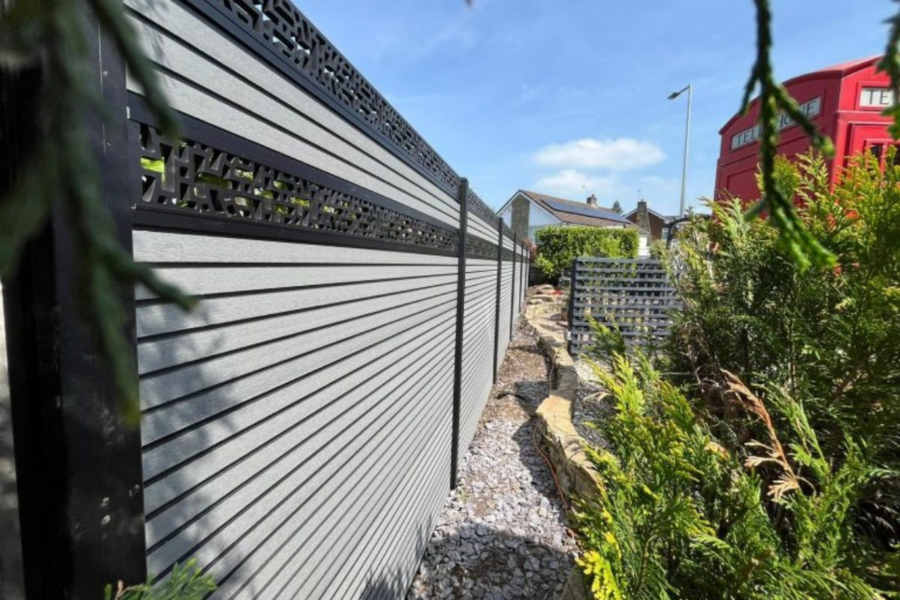
Winter has a way of highlighting the bones of an outdoor space – the lines, the structure, the way a boundary frames the landscape. Fence height becomes more than a practical decision at this time of year; it becomes part of how a home feels, looks and protects itself during the coldest season.
Understanding the dynamics behind fence height helps homeowners create spaces that balance privacy, aesthetics and stability, even when frost settles across the garden design.
Privacy Needs That Change With the Season
Short days make gardens feel more exposed, and many households seek a sense of enclosure as evenings arrive earlier.
Typical rear garden fencing in the UK sits at around 6ft, providing enough height to prevent overlooking without overwhelming the space. Taller panels can help shield gardens from neighbouring windows or busy footpaths, offering a sense of calm in winter months when outdoor time is limited but still cherished.
Lower front garden fencing, usually closer to 3ft, keeps a welcoming feel while marking boundaries clearly. Each setting has its sweet spot, guided by both comfort and practicality.
Choosing the right height often comes down to lifestyle. Families looking for safe play areas may prefer slightly taller panels, while keen gardeners may want mid-height fencing that protects planting beds without blocking precious winter daylight. Subtle adjustments can greatly affect how a space feels at the dimmest time of year.
Local Regulations and Shared Boundaries
Every garden has a legal context. Most UK properties can install fencing up to 2 metres high in back gardens without planning permission, though exceptions apply near highways or listed buildings.
Discussing boundaries with both a fencing supplier and neighbours early can avoid misunderstandings and help create a style that suits both sides. Good communication becomes even more helpful in December, when weather conditions make fence installation more time-sensitive and coordination matters.
A balanced approach supports harmony: a height that respects privacy, stays attractive and remains structurally safe through windier winter spells. Maintenance also becomes part of the conversation, ensuring both households understand who cares for which side of the boundary.
Function and Environment Shape Fence Decisions
Garden size, ground levels and exposure to wind all influence ideal fence height. Sloped gardens often require stepped panels, and smaller spaces benefit from heights that avoid visually shrinking the area. Taller fences can create deep shadows during short winter days, so homeowners sometimes opt for slatted or semi-solid designs to soften the visual mass while retaining privacy.
Materials also play a role. Heavier panels need robust posts and secure installation. In December, when gusts sweep through open spaces, a well-anchored structure prevents seasonal surprises. Alongside practicality, winter becomes a perfect moment to review how fencing supports broader garden design, from plant screening to lighting plans.
Aesthetic Balance Brings a Garden Together
Height isn’t just a measurement; it’s part of the personality of a landscape. Thoughtful fencing can guide sightlines, frame evergreens, and create a backdrop that keeps the garden feeling intentional during its dormant season.
Softwood panels offer a warm, natural look, while modern composite or slatted styles bring crisp lines to contemporary homes. In every case, height should work with the home’s architecture, not against it. A fence that feels proportionate makes the entire garden more harmonious, even when frost has muted the colours.
Shaping Your Perfect Boundary This Winter
Johnson’s Prestige Fencing brings hands-on expertise to projects across the region. As trusted fencing contractors Northwest and skilled landscaping experts Manchester, we help homeowners design boundaries that truly fit their space.
Get in touch and let us create a fence that blends strength, style and seasonal resilience.